
Essential Roof Care Tips for Homeowners
Your roof is one of the most critical components of your home, providing protection from the elements and contributing to your home’s overall aesthetic. However, it often goes unnoticed until a problem arises. Regular maintenance and care can extend the life of your roof and save you from costly repairs. In this blog, we will explore essential roof care tips that every homeowner should know.
1. Regular Inspections
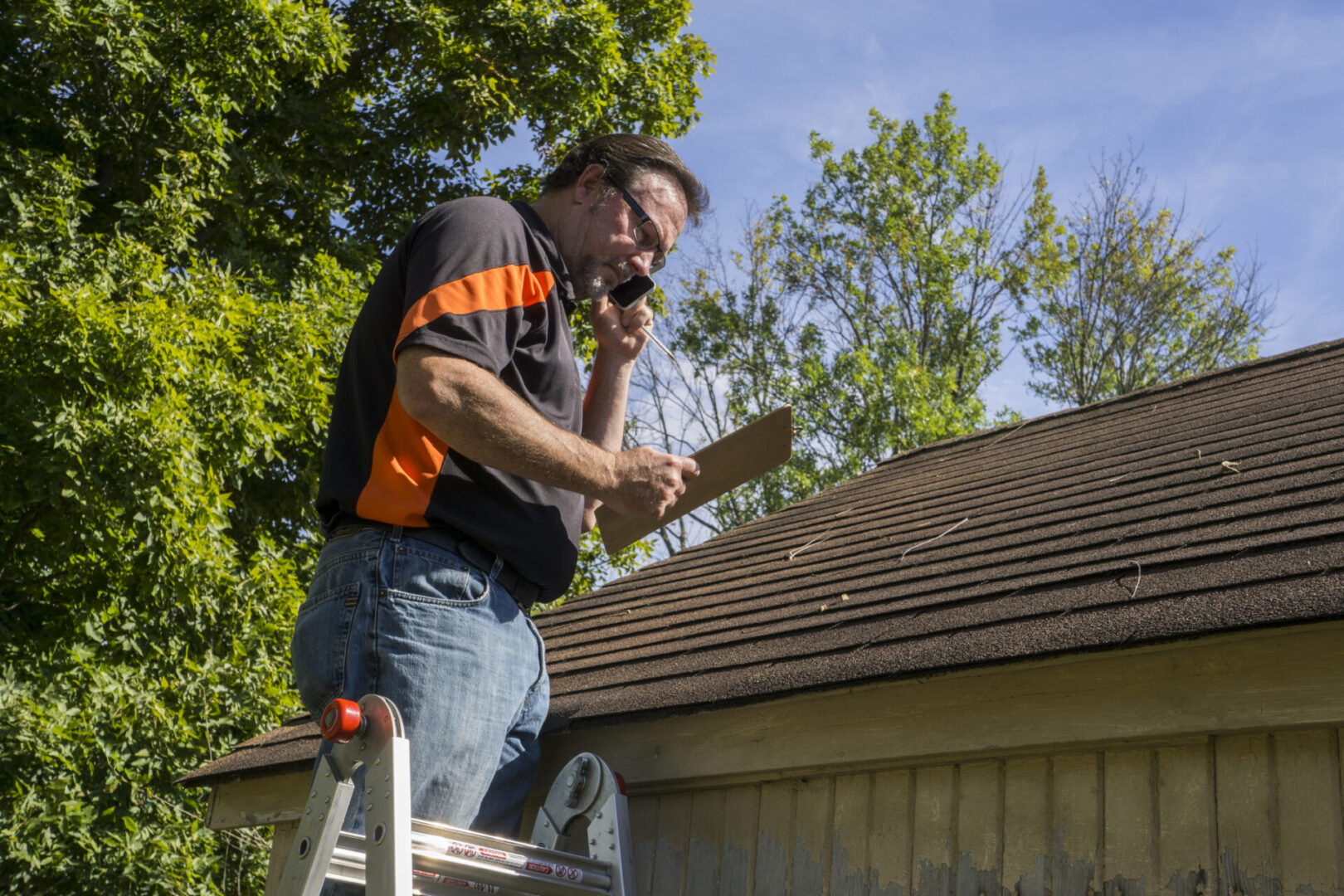
One of the most effective ways to maintain your roof is through regular inspections. Ideally, you should inspect your roof at least twice a year—once in the spring and once in the fall. During these inspections, look for signs of damage, such as missing shingles, cracks, or sagging areas. Pay special attention to the areas around chimneys, vents, and skylights, as these are common points of leakage.
If you’re not comfortable climbing onto your roof, consider hiring a professional roofing contractor to perform the inspection. They have the experience and tools necessary to identify potential issues that you might miss.
2. Clean Your Gutters
Clogged gutters can lead to water pooling on your roof, which can cause significant damage over time. To prevent this, clean your gutters at least twice a year. Remove leaves, twigs, and other debris that can block water flow. If you live in an area with many trees, you may need to clean your gutters more frequently.
Consider installing gutter guards to minimize debris accumulation. These guards can help keep your gutters clear and reduce the frequency of cleaning.
3. Remove Debris
In addition to cleaning your gutters, it’s essential to remove debris from your roof. Leaves, branches, and other debris can trap moisture, leading to mold and mildew growth. Use a broom or a leaf blower to clear your roof of any debris. Be cautious when walking on your roof, as it can be slippery, especially when wet.
4. Trim Overhanging Branches
Overhanging branches can pose a significant threat to your roof. During storms, branches can break off and cause damage. Additionally, branches that touch your roof can scrape the shingles, leading to wear and tear. To prevent this, trim any overhanging branches regularly. This not only protects your roof but also reduces the risk of pests, such as squirrels, accessing your roof.
5. Check for Algae and Moss
Algae and moss can grow on roofs, especially in humid climates. While they may not cause immediate damage, they can lead to shingle deterioration over time. If you notice algae or moss on your roof, consider using a roof cleaner specifically designed for this purpose. Alternatively, you can mix equal parts of water and bleach and spray it on the affected areas. Be sure to rinse thoroughly afterward.
6. Inspect Flashing
Flashing is the material used to seal joints and prevent water from entering your home. Inspect the flashing around chimneys, vents, and skylights for any signs of damage or wear. If you notice any issues, such as rust or gaps, it’s essential to repair or replace the flashing promptly to prevent leaks.
7. Address Roof Leaks Immediately
If you notice any signs of a roof leak, such as water stains on your ceiling or walls, it’s crucial to address the issue immediately. Ignoring a leak can lead to significant damage, including mold growth and structural issues. If you’re unable to locate the source of the leak, consider hiring a professional to assess the situation.
8. Maintain Proper Attic Ventilation
Proper attic ventilation is essential for maintaining the health of your roof. Inadequate ventilation can lead to heat and moisture buildup, which can damage your roof and lead to mold growth. Ensure that your attic has sufficient ventilation through soffit vents, ridge vents, or gable vents. If you’re unsure about your attic’s ventilation, consult a roofing professional for advice.
9. Insulate Your Attic
In addition to ventilation, proper insulation in your attic can help regulate temperature and prevent ice dams in colder climates. Ice dams occur when snow melts on your roof and refreezes at the eaves, causing water to back up under shingles. This can lead to leaks and damage. Ensure your attic is adequately insulated to prevent heat loss and maintain a consistent temperature.
10. Schedule Professional Maintenance
While regular inspections and maintenance can be done by homeowners, it’s also essential to schedule professional maintenance at least once a year. A professional roofing contractor can identify potential issues and perform necessary repairs that may be beyond your capabilities. They can also provide a thorough cleaning and maintenance service to keep your roof in top condition.
11. Be Mindful of Weather Conditions
Weather conditions can significantly impact your roof’s health. After severe storms, heavy snowfall, or high winds, inspect your roof for any damage. If you live in an area prone to extreme weather, consider investing in impact-resistant roofing materials that can withstand harsh conditions.
12. Know When to Replace Your Roof
Every roof has a lifespan, and knowing when to replace it is crucial for maintaining your home’s integrity. Asphalt shingles typically last 20-30 years, while metal roofs can last 50 years or more. If your roof is approaching the end of its lifespan or shows significant signs of wear, it may be time to consider a replacement. Consult with a roofing professional to assess your options.
Conclusion
Taking care of your roof is essential for protecting your home and ensuring its longevity. By following these roof care tips, you can prevent costly repairs and maintain the integrity of your home. Regular inspections, cleaning, and professional maintenance are key components of effective roof care. Remember, a well-maintained roof not only enhances your home’s curb appeal but also provides peace of mind knowing that your home is protected from the elements. Don’t wait for problems to arise—start caring for your roof today! Contact us today for a roof damage assessment.